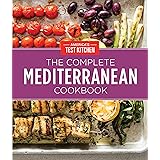
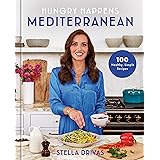
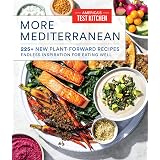
The video above provides an excellent primer on embracing the Mediterranean Diet, often hailed as one of the healthiest eating patterns globally. It’s a powerful invitation to rethink your relationship with food, moving away from restrictive fad diets and towards a sustainable, flavor-rich lifestyle. If you’re ready to learn how to truly start the Mediterranean Diet and transform your health, this article will expand on the video’s core principles, offering deeper insights and actionable strategies to weave this ancient wisdom into your modern life.
Far from being a fleeting trend, the Mediterranean Diet is a time-tested approach rooted in the traditional eating habits of countries bordering the Mediterranean Sea. Think vibrant cultures from Greece and Italy to Morocco and Lebanon. These diverse regions, while distinct in their cuisines, share fundamental dietary habits that have been linked to remarkable longevity and lower rates of chronic diseases. It’s not merely about what’s on your plate, but the philosophy of eating: prioritizing whole, unprocessed foods, celebrating communal meals, and savoring every bite with intention.
Why Embrace the Mediterranean Diet for Lasting Health?
The allure of the Mediterranean Diet extends far beyond its delicious flavors; it’s backed by extensive scientific research highlighting its profound health benefits. As the video rightly points out, this isn’t just a diet; it’s a sustainable lifestyle choice with long-term advantages. Studies consistently show that individuals who adhere to this eating pattern tend to enjoy a longer lifespan and significantly reduced risks of various debilitating conditions.
For instance, its powerful anti-inflammatory properties are key to its success. Chronic inflammation is a root cause of many modern diseases, including heart disease, various cancers, type 2 diabetes, and neurodegenerative disorders like Alzheimer’s. By emphasizing nutrient-dense, whole foods rich in antioxidants and healthy fats, the Mediterranean Diet actively combats this inflammation, supporting overall cellular health.
Furthermore, this diet promotes cardiovascular wellness by improving cholesterol levels, reducing blood pressure, and enhancing arterial function. It’s also incredibly effective for managing blood sugar, making it an excellent choice for preventing and managing diabetes. But beyond the clinical benefits, it fosters a positive relationship with food, focusing on abundance and satisfaction rather than deprivation. This shift in mindset alone can be revolutionary for those tired of the endless cycle of dieting and food guilt.
Key Principles for Starting Your Mediterranean Journey
Transitioning to the Mediterranean Diet doesn’t require an overnight overhaul. Instead, it’s about gradually adopting its core principles. The video touched upon these essential tenets; let’s dive deeper into how you can implement each one, starting today.
1. Shun Ultra-Processed Foods
The foundation of the Mediterranean Diet rests on a commitment to real, whole foods. This means consciously avoiding the ultra-processed items that dominate many modern diets. These include sugary beverages, refined grains (like white bread and pasta), processed meats (such as hot dogs and deli slices), and anything containing artificial ingredients or excessive additives. Think about it: if your great-grandparents wouldn’t recognize it as food, it likely doesn’t belong in a Mediterranean-style kitchen. Instead, shift your focus to single-ingredient foods that retain their natural form and nutritional value.
2. Build Meals Around Plant-Based Powerhouses
Plants are truly the stars of the Mediterranean plate. While the diet isn’t strictly vegetarian or vegan, meat takes a supporting role, allowing vegetables, fruits, legumes, nuts, seeds, and whole grains to shine. Aim for a colorful array of seasonal produce, ensuring your meals are packed with vitamins, minerals, and fiber. Imagine vibrant salads bursting with fresh greens, tomatoes, and cucumbers, or hearty stews brimming with lentils and root vegetables. Making plant-based foods the main event doesn’t just boost nutrition; it often naturally leads to increased satiety and better digestion.
3. Embrace Extra Virgin Olive Oil Generously
If there’s one ingredient that symbolizes the Mediterranean Diet, it’s extra virgin olive oil. This isn’t just a cooking fat; it’s a superfood rich in monounsaturated fats and powerful antioxidants. Forget the low-fat trends of yesteryear; healthy fats are crucial for nutrient absorption, hormone production, and overall cell health. The video highlighted a fascinating data point: in some Mediterranean countries, up to 40% of daily calories come from olive oil! Use it generously for cooking, dressing salads, drizzling over finished dishes, or even as a dip for crusty whole-grain bread. Prioritize high-quality, cold-pressed extra virgin varieties for maximum benefits.
4. Make Legumes Your Daily Staple
Beans and lentils are the unsung heroes of the Mediterranean Diet. They are incredibly versatile, affordable, and nutritional powerhouses, delivering significant amounts of protein, fiber, and essential micronutrients. Chickpeas, lentils, cannellini beans, black beans – these are staples in Mediterranean homes, often consumed almost daily. They provide a satisfying, sustained energy release, helping you feel fuller for longer. Furthermore, by incorporating more legumes, you naturally reduce reliance on less healthy protein sources. Think of them as the hearty base for soups, salads, and side dishes.
5. Consume Meat Sparingly and Thoughtfully
While meat isn’t forbidden, it’s certainly not the centerpiece of every meal. When meat is consumed, it’s typically in smaller portions, often as part of a stew, a flavorful garnish, or thinly sliced. This contrasts sharply with many Western diets where large cuts of meat dominate the plate. Focus on lean proteins like poultry or occasional red meat, and prioritize ethical sourcing. The emphasis is on quality over quantity, savoring meat as a component of a balanced meal rather than the sole focus. Meanwhile, fish, particularly fatty varieties rich in Omega-3s, is encouraged more frequently.
6. Boost Your Omega-3 Intake Naturally
Omega-3 fatty acids are critical for brain health, heart function, and reducing inflammation throughout the body. The Mediterranean Diet naturally boosts your intake of these essential fats. Excellent sources include fatty fish like salmon, mackerel, sardines, and anchovies. Beyond fish, you can find Omega-3s in walnuts, flaxseed oil, chia seeds, and even some leafy greens. Regularly incorporating these foods will contribute significantly to your overall well-being and cellular health.
7. Opt for Authentic Whole Grains
It’s time to ditch the highly refined white flours and embrace true whole grains. The Mediterranean Diet emphasizes ancient grains that are minimally processed, such as farro, barley, oats, millet, and whole wheat. These grains are rich in fiber, which aids digestion, stabilizes blood sugar, and contributes to satiety. They provide complex carbohydrates that fuel your body steadily throughout the day, avoiding the energy crashes associated with refined grains. Look for products clearly labeled “100% whole grain” to ensure you’re getting the full nutritional benefits.
8. Enjoy Whole-Fat Dairy in Moderation
Unlike many modern diet recommendations that push for low-fat dairy, the Mediterranean approach often includes whole-fat dairy products. Think creamy Greek yogurt, robust full-fat cheeses, and even whole milk. These options are more satisfying and provide valuable nutrients, including beneficial probiotics in fermented products like yogurt. The natural fats in whole-fat dairy can contribute to satiety, potentially aiding in weight management by keeping you feeling full and content longer. Enjoy them in moderation, often as part of a meal or as a refreshing snack.
9. Red Wine or Grape Juice: An Optional Pleasure
The video points out that red wine is enjoyed in moderation in many Mediterranean cultures, particularly in Italy, Spain, and Greece, and it’s associated with certain heart health benefits due to its antioxidant content. However, it’s crucial to remember this is entirely optional. If you don’t drink alcohol, or if you come from a region where alcohol isn’t culturally consumed (like many Muslim-majority Mediterranean countries where the diet still thrives beautifully), you can easily skip it. Organic red grape juice offers similar antioxidant benefits without the alcohol. The key message here is moderation and mindful consumption, not a requirement.
10. Choose Fresh Fruit for Dessert
Instead of relying on processed sugars and elaborate pastries for daily dessert, the Mediterranean Diet champions fresh fruit. Whether it’s juicy watermelon, sweet grapes, succulent figs, or bright oranges, fruit provides a naturally sweet and satisfying end to a meal, packed with fiber and vitamins. While delicious sweets like baklava exist in Mediterranean cultures, they are typically reserved for special occasions and celebrations, not daily indulgence. This simple swap significantly reduces added sugar intake and reinforces a preference for natural, wholesome ingredients.
Beyond the Plate: Embracing a Mediterranean Lifestyle
As the video beautifully articulates, the Mediterranean Diet is more than just a list of foods; it’s a holistic lifestyle. It encompasses elements that nourish not just the body, but also the mind and spirit. It’s about slowing down, savoring meals, and appreciating food as a source of joy and connection. Mark’s experience, swapping sugary cereal for Greek yogurt with walnuts and berries, vividly illustrates how small, intentional changes can yield significant benefits, leading to greater satiety and improved energy levels throughout the day.
Cultivating a Mediterranean lifestyle often includes aspects like regular physical activity, adequate rest, and strong social connections. Meals are often communal, shared with family and friends, fostering a sense of community and mindfulness around eating. This focus on celebration, joy, and eating with purpose contributes to overall well-being, proving that health is truly a sum of many integrated parts. So, as you embark on this delicious journey, remember it’s not about rigid rules but about embracing a philosophy of abundant, joyful, and deeply nourishing eating. This sustainable way of eating truly allows you to live better, one delicious, wholesome meal at a time.
Navigating Your Mediterranean Diet: Questions & Answers
What is the Mediterranean Diet?
The Mediterranean Diet is an eating pattern inspired by the traditional foods and lifestyles of countries bordering the Mediterranean Sea. It focuses on whole, unprocessed foods and enjoying meals mindfully.
Why is the Mediterranean Diet considered good for your health?
It’s known to reduce chronic inflammation, improve heart health, and help manage blood sugar levels. Following this diet can contribute to a longer lifespan and lower risks of various diseases.
What are the main types of foods I should eat on the Mediterranean Diet?
You should prioritize plant-based foods like vegetables, fruits, legumes, nuts, and whole grains, along with extra virgin olive oil. Fatty fish and moderate amounts of whole-fat dairy are also included.
Are there any foods I should avoid or limit?
It’s important to avoid ultra-processed items such as sugary drinks, refined grains like white bread, and processed meats. The focus is on natural, single-ingredient foods.
Is the Mediterranean Diet only about the food I eat?
No, it’s also about a lifestyle that includes regular physical activity, adequate rest, and strong social connections. Sharing communal meals and savoring food are key components of this holistic approach.